

The Allure of the Environment
The design of a casino is meticulously crafted to create an inviting and immersive environment that captures the attention of patrons. From the moment visitors walk through the entrance, they are greeted by an array of sights and sounds designed to enthrall the senses. Bright lights, vibrant colors, and strategically placed attractions create focal points that draw players deeper into the venue, especially those interested in online pokies australia payid and other interactive gaming experiences. This design philosophy is rooted in psychological principles that exploit human curiosity and the desire for novelty, keeping players engaged and active within the space.
Ambient factors play a significant role in shaping the overall atmosphere. For instance, the use of soothing music and ambient sounds can promote a relaxed state, encouraging players to stay longer. Soft lighting, rather than stark fluorescent lights, contributes to a comfortable setting where patrons feel at ease. These environmental cues are carefully curated to influence emotions and behaviors, persuading visitors to lose track of time and immerse themselves fully in the gaming experience.
The layout of casinos is also designed to enhance the allure. Games, bars, and restaurants are strategically positioned to optimize foot traffic and create an exploratory journey. Visitors are often encouraged to wander throughout the space, leading to impulse decisions and increased spending. By creating a labyrinthine structure that feels natural to navigate, casinos effectively harness the psychology of exploration, making it difficult for patrons to leave without trying their luck at just one more game.
The Role of Color and Light
Color psychology plays a pivotal role in casino design, influencing emotions and behaviors in subtle yet powerful ways. Warm colors, such as reds and golds, evoke feelings of excitement and urgency, often leading to increased betting and participation in games. In contrast, cooler colors, like blues and greens, promote feelings of calmness and can be found in areas designed for relaxation. This strategic use of color creates a dynamic environment that caters to varying moods and motivations, helping to sustain patron engagement over extended periods.
Lighting is another critical aspect of casino design that serves both functional and psychological purposes. Bright, flashy lights around gaming tables and machines draw attention and stimulate excitement. Conversely, softer lighting in dining areas encourages patrons to relax and enjoy their meals. The interplay of light and shadow creates a sense of intrigue, drawing visitors into different sections of the casino. Designers must balance these elements carefully so patrons feel energized but not overwhelmed.
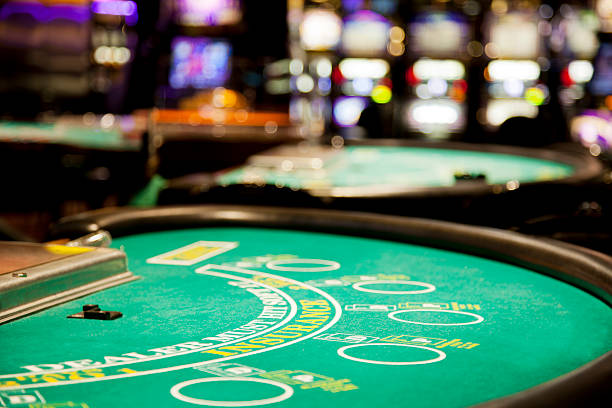
Furthermore, the changing light levels from day to night can affect the overall experience of guests. Casinos often employ artificial lighting to simulate the time of day, maintaining a perpetual sense of night that keeps excitement levels high. By removing the natural cues of time, casinos can create an atmosphere where guests lose track of their hours spent playing and socializing, ultimately increasing their stay and expenditures.
The Psychology of Reward Systems
Casinos cleverly utilize reward systems to influence player behavior and foster a sense of loyalty. These systems often include anything from loyalty programs to enticing bonuses and promotions. By offering rewards based on performance or participation, casinos capitalize on the psychological principle of reinforcement, encouraging players to return. The anticipation of receiving a reward can be just as motivating as the reward itself, leading players to engage in more gaming activities with the hope of unlocking special bonuses or free play.
The concept of « near misses » also plays a significant role in player psychology. When gamblers experience close calls, such as almost winning a jackpot, their brains release dopamine, creating a rush that compels them to keep trying. This phenomenon can be exploited by game designers who structure their machines to present frequent near misses, thereby reinforcing the desire to continue playing despite losses. This mechanism grips players emotionally and keeps their hopes alive, even when the odds may not be in their favor.
Additionally, the social aspect of casinos cannot be overlooked. The communal experience of gaming, whether at a table or a slot machine, enhances the enjoyment and creates a shared sense of excitement. Players often celebrate wins together, and the interactive nature of games fosters connections among patrons. Casinos capitalize on this social environment by creating spaces that promote interaction and engagement, ensuring that players feel connected not only to the games but also to one another.
Facilitating Impulse Decisions
Design elements within casinos are deliberately crafted to foster impulse decisions by utilizing various psychological triggers. Features such as open layouts, bright prompts, and strategically placed gaming options lead players to engage with games they might not have initially considered. For instance, positioning high-stakes games near entrances can draw in curious players who may not have intended to gamble at all. This tactical placement aims to captivate visitors who are easily swayed by the allure of quick cash and excitement.

Additionally, the use of sound effects can play a significant role in driving impulse decisions. The familiar sounds of coins dropping or slot machines ringing signal victories and stimulate excitement, prompting players to try their luck, often resulting in impulsive gaming choices. These auditory signals work in tandem with visual stimuli, creating a multisensory experience that makes it hard for players to resist making one more bet or spinning one more reel.
The overall design of a casino encourages participants to embrace a « just one more » mentality, creating an environment where patrons feel compelled to gamble beyond their initial intentions. The absence of windows and clocks further alienates patrons from the outside world, enhancing the feeling of timelessness and urgency. As players become immersed in the gaming experience, they often lose sight of both time and their financial limits, leading to increased spending and prolonged visits.
Exploring the Casino Landscape Online
As the digital landscape evolves, online casinos have adopted many of the design principles that make physical casinos successful. For instance, the interface of online gaming platforms is designed with user experience in mind, incorporating visually stimulating elements and intuitive navigation. Bright colors, animations, and engaging sound effects replicate the thrill of a traditional casino, creating an immersive environment even from the comfort of home. The psychological allure remains intact as players are drawn to the excitement and potential rewards offered in the online realm.
Furthermore, many online casinos utilize gamification techniques to enhance engagement. This can involve earning points, leveling up, and receiving incentives that mirror the reward systems prevalent in physical casinos. These techniques play into players’ natural inclinations toward competition and achievement, keeping them motivated to return. Just like traditional establishments, these platforms design experiences to facilitate addictive behaviors, where players are compelled to log in repeatedly to chase rewards and bonuses.
The world of online casinos also highlights the importance of community within gaming. Social features such as chat rooms and live dealers foster interaction among players, replicating the social atmosphere found in brick-and-mortar facilities. By creating an interactive environment, online casinos tap into the desire for social connection, making the experience more enjoyable and engaging. As the industry continues to grow, understanding the psychology of design remains vital to ensure players remain captivated, both online and offline.